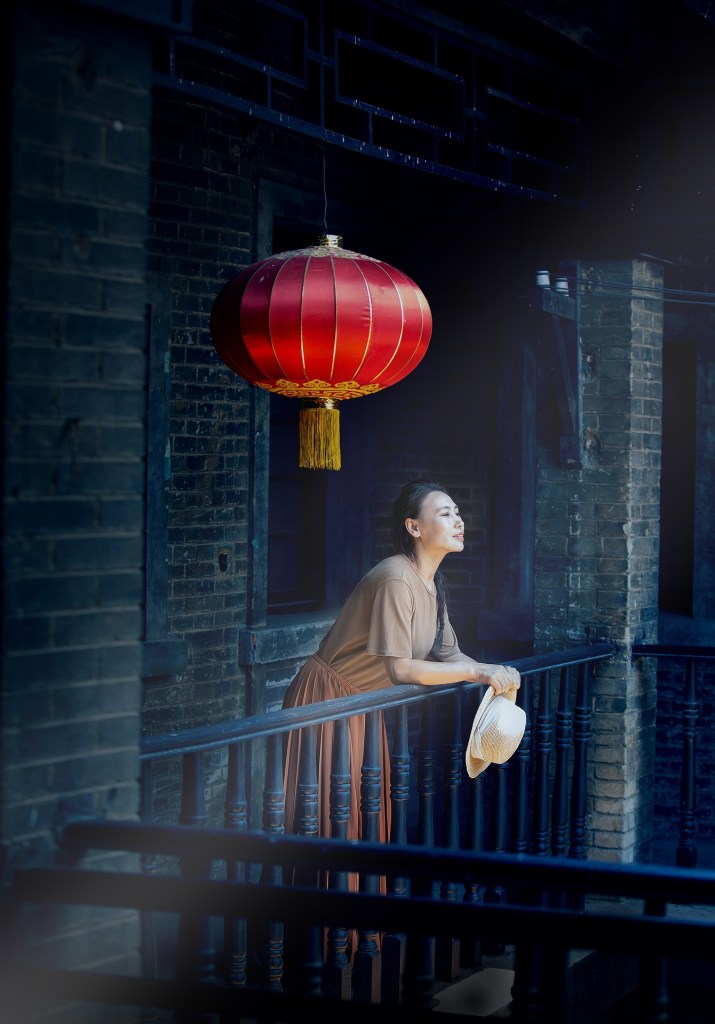
Image by friday2022 from Pixabay
Mei climbed up the rickety steps. No one came to the old city anymore. It wasn’t forbidden, but it was dangerous. Not for any other reason than the old buildings were unsafe and crumbling. People in New Saigon wanted to forget the old days, forget where they came from. They wanted to forget the war.
Mei wasn’t one of those. Her grandmother still told stories of the old world, before the war, before the new city that housed people of all nationalities. There were several of the new cities dotting the world, but none so big and grand as New Saigon – or so the politicians said. New Saigon, built on the remains of a region once known as Ho Chi Minh City in what had been called Vietnam but was now called the Eastern Settlements, housed many from the Asian and European regions when war had left their homelands barren wastelands.
It would take time, the scientists said, for the world to recover. So Settlement Zones were established, and humans were funneled into the cities built there. New Saigon was one of the biggest and most beautiful, from what Mei had been told all her life. Even the buildings housing the hydroponic farms were elegant and full of glass.
Mei didn’t see the beauty in New Saigon. She saw the beauty in the ruins of old Ho Chi Minh City, and the many villages and towns in the surrounding countryside that the salvage crews went to in order to salvage what they could for the use of the citizens of the Settlement Zone.
Mei reached the balcony of what must have been a housing block of some kind and took off her hat. She looked around at the remains of a colorful paper lantern, now shredded and faded with age and weather, and surveyed the ruins before her. How had mankind come to accept this kind of destruction as normal? She contemplated this until her comm chirped and the salvage crew was recalled. She went down the rickety stairs and collected her basket of salvage and rejoined her team, putting her hat back on her head. Her grandmother was right. Humans were strange creatures.

 Alison's Writing Corner
Leave a comment